Most games do not lose people because they are impossible to find.
They lose people in the gap between curiosity and commitment.
Someone sees a screenshot, taps a link, and lands on a page that is slow, vague, noisy, or asks for too much trust too early.
That is usually where the drop-off happens.
The games that spread more naturally tend to get a few basics right:
- the first screen explains the hook quickly
- the player can start without decoding a wall of copy
- the share link lands on a stable, useful page
- the first session creates a reason to send the link to someone else
That work is less glamorous than a launch thread or a trailer, but it compounds harder.
The first click should feel safe
When someone lands on a game page, they are making a small trust decision:
- is this going to load fast enough
- will it work in this tab
- will I understand what I am supposed to do
- am I about to hit an account wall, audio blast, or broken mobile view
If the page creates uncertainty on any of those, a lot of users bounce before the game has a chance.
The opening surface should do four things quickly:
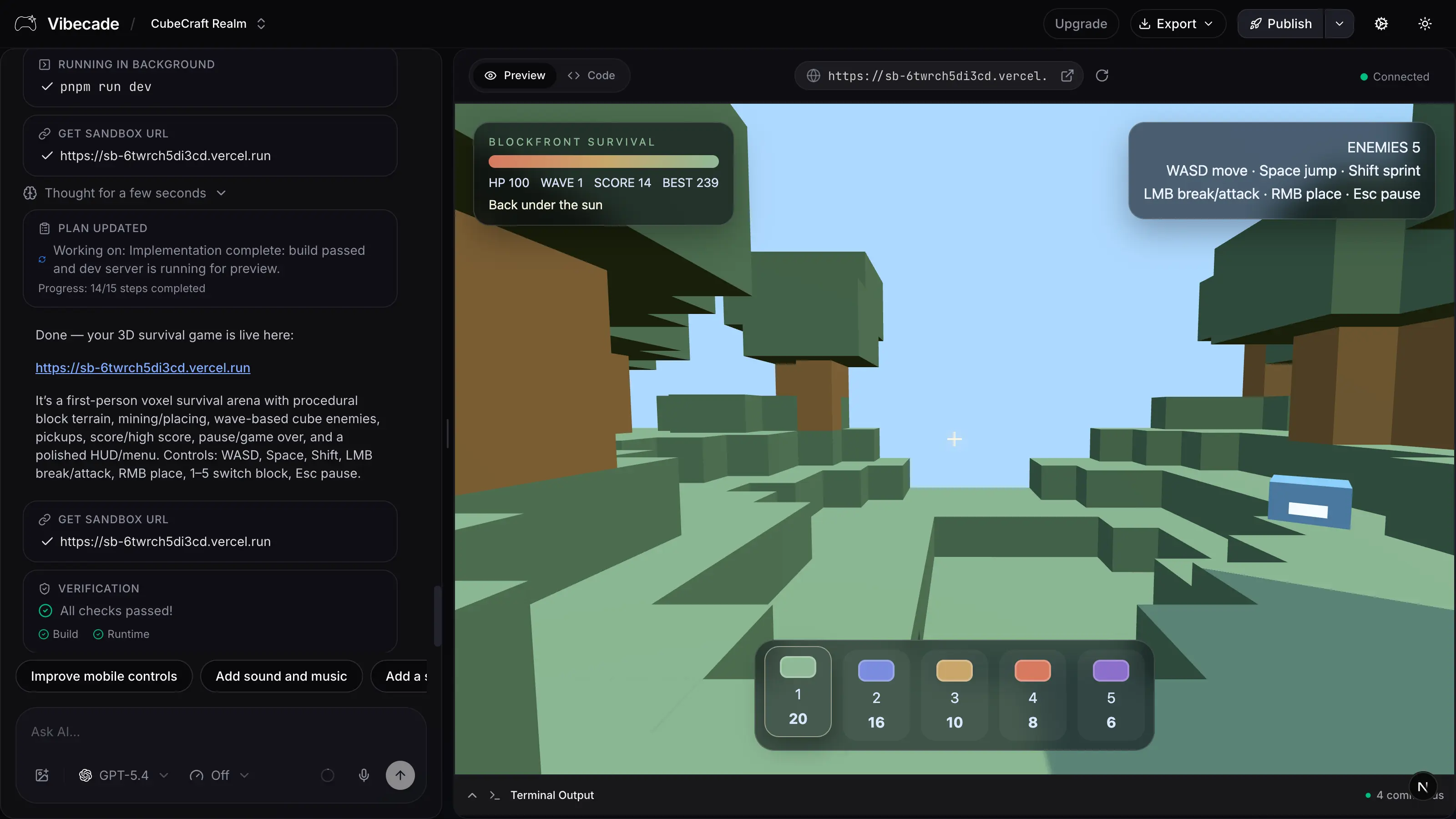
- show what the game actually looks like
- explain the core loop in plain language
- make the primary action obvious
- avoid secondary clutter before the first play
If you need three paragraphs before the player understands why they should try the game, the page is asking for too much patience.
Show the playable promise, not just the brand
A lot of game pages over-index on identity and under-index on proof.
They have a logo, a title, a nice gradient, maybe a tagline, but very little evidence of what the first minute actually feels like.
Better signals are concrete:
- an in-game screenshot with real state visible
- a short line about what the player does
- an honest sense of pace, tone, and difficulty
- a clear start point that does not require hunting
Screenshots should look like gameplay, not title cards pretending to be gameplay.
The page should make the loop legible before the player commits.
Make sharing feel native to the game
People share games when the link is low-risk and the recommendation is easy to phrase.
That usually means:
- one stable URL worth sending around
- a title and preview image that make sense out of context
- a game that gets to something interesting quickly
- no weird install expectations
- no mandatory account wall before the core loop
If the share link lands on a page that feels unfinished or confusing, the player may still bounce even if the game itself is solid.
The goal is not just “someone clicked.” The goal is “someone now feels safe sending this to one more person.”
The second session matters more than the first impression
A game becomes worth revisiting when the return path is cleaner than the first visit.
That can be as simple as:
- a recognizable game name and share image
- a clean restart path
- a short reminder of the objective
- a quick route back into the active loop
A lot of games treat the landing as marketing and the game as the product. In practice, those two surfaces blur together. The landing teaches trust. The game earns it.
If the return trip feels awkward, replay intent falls apart.
Design for pass-along moments
The strongest sharing moments are specific.
Examples:
- “This mechanic gets funny after 30 seconds.”
- “The movement feels great on keyboard.”
- “Send this to anyone who likes score-chasing arcade games.”
- “Try to beat my run.”
Those moments come from the game loop, but the page can support them with:
- a visible challenge or premise
- a thumbnail that actually reflects the game
- an easy way to restart and try again
- stable links people are not embarrassed to send
In other words, the page should help the recommendation travel.
What to prioritize first
If a game is new and you only have time to improve a few public-facing things, start here:
- make the first click feel safe
- show real gameplay before decorative branding
- remove any friction between landing and first play
- give players a clean reason to share the link
- make coming back easier than starting over
That order usually improves conversion and word-of-mouth faster than piling on more announcement copy.
Ship the game people actually want to send around
Use Vibecade to tighten the loop, test the landing, and keep improving the same game without rebuilding the project from scratch.